
Why Bells & Whistles?
I always liked the idiom "bells and whistles" and I know it means added enhancements and features. It's an expression which often equates to simple devices with added features to technological devices or cars. Yet, I was curious about how the expression originated and there's no shortage of explanations on the web.
The expression started in the 18th and 19th century as a literal warning using fire engines's bells and whistles as an announcement to try to draw attention to themselves. http://www.phrases.org.uk/meanings/bells-and-whistles.html. I can only visualize a politician arriving at a small town where the bells and whistles sounded upon his arrival.
The expression changed. It now refers to items that have a full array of additional features and extras.
The expression especially is appropriate for cars and computers. They showcase these additional features and it comes as no surprise to learn that it is in those technological fields that the phrase originated.
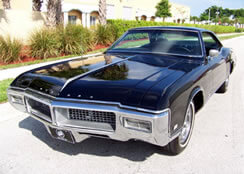
 One owner and driven very few miles, with all the bells and whistles, $3695 Wisconsin newspaper
The Capital Times, June 1971
With computers advancing with speed and storage, "bells and whistles" added more even more features - bluetooth technology, webcams, fingerprint identification and neoprene carrying cases etc.
How do bells & whistles relate to training?
With software, it's not enough to type a document, run it through spellcheck, change fonts and sizes in MS Word. Adding features can enhance your document, help you analyze information in Excel, or engage an audience in PowerPoint. Adding bells and whistles can not only greatly improve your impact, but increase your productivity.
Try this:
- Do you use Styles in your document? Have you ever added mirror page numbering? How about section breaks? All of these features are available in Word, but they enhance and add dimension to your documents.
Or this:
- Sure you know the sum feature in MS Excel, but can you analyze your data using Subtotals? What about pivot tables? Have you ever created different scenarios? Have you every exported your data into Access? These features are accessible in Excel, but they can help you analyze data.
Check out tips and techniques (or bells and whistles) to help you become more efficient and proficient.


Check out upcoming bells and whistles.
ReplyDeleteThis might be my slightly geeky tendencies, but I look forward to learning how to do some of the things you've described in this post. Can't wait to see what "Bells and Whistles" I can start using :-)
ReplyDeleteHi Debra! The expression "bells and whistles" was totally new to me until I read your post. It was interesting to know what was the origin of this expression and how its meaning has changed. I look forward to learning about the "bells and whistles" I can use!
ReplyDeleteDebra,
ReplyDeleteCan't wait to see what you have in store! I can use all the techy assistance there is.